PHASE 02 -
SUMMER TRAINING
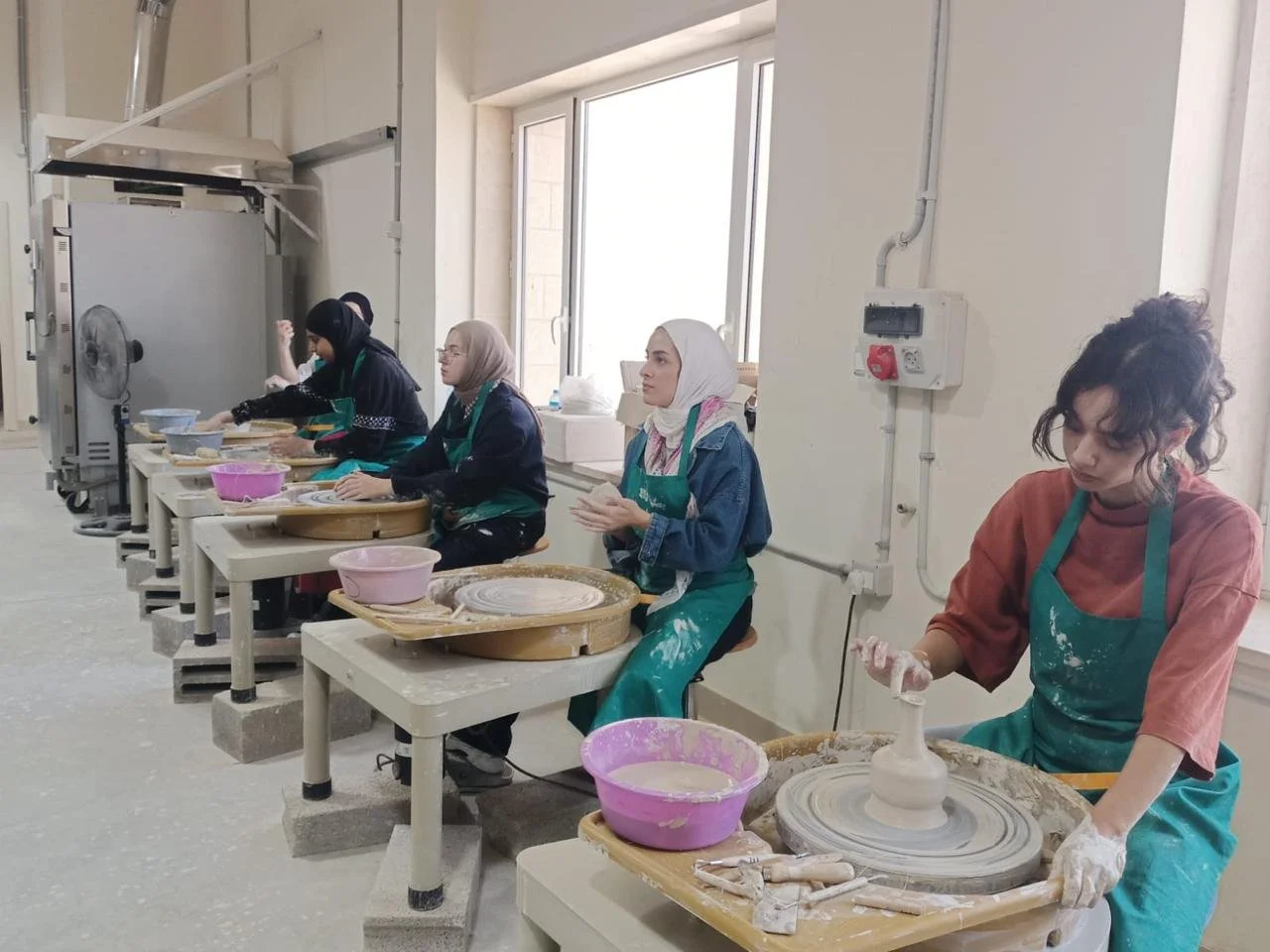
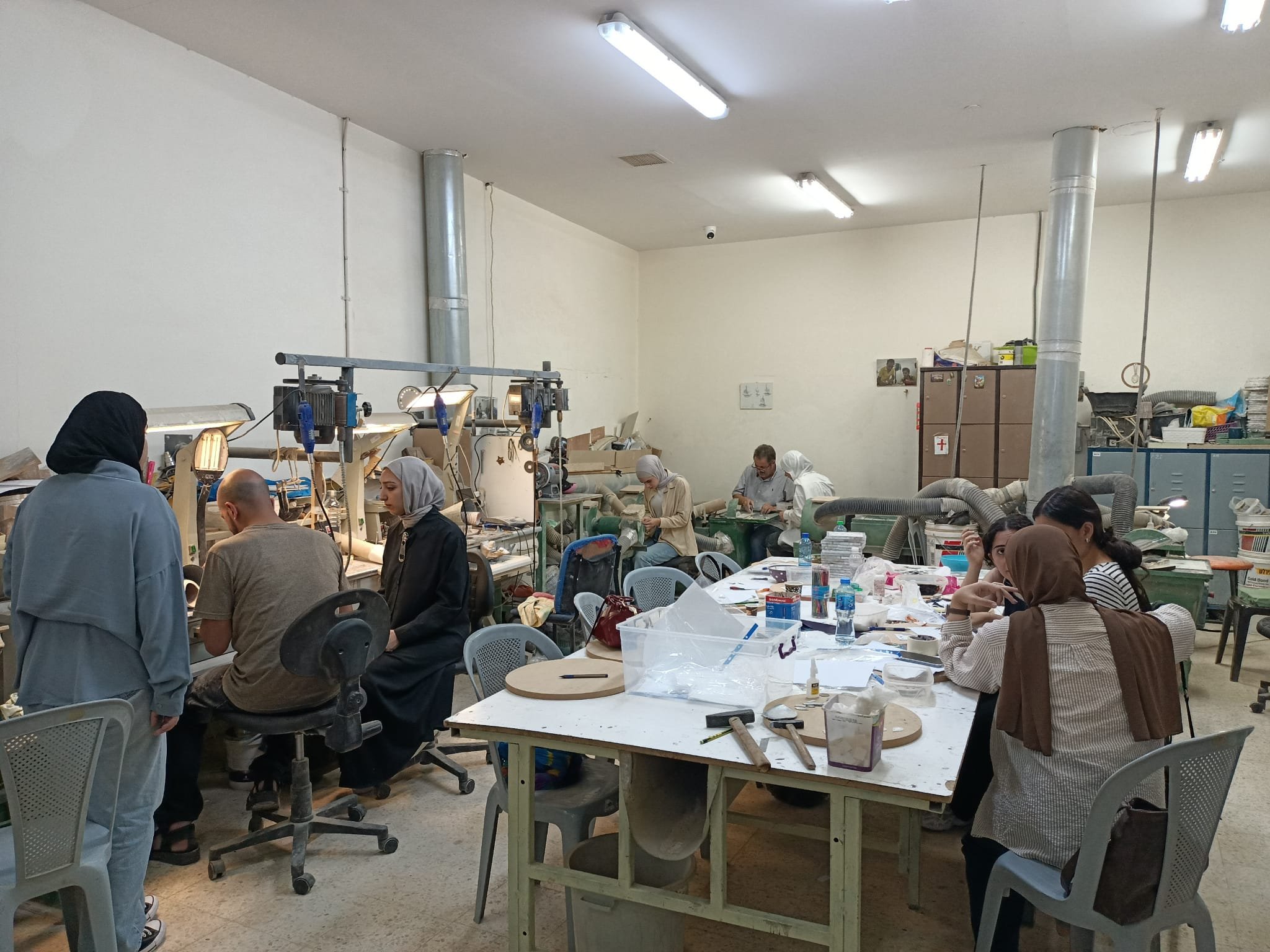
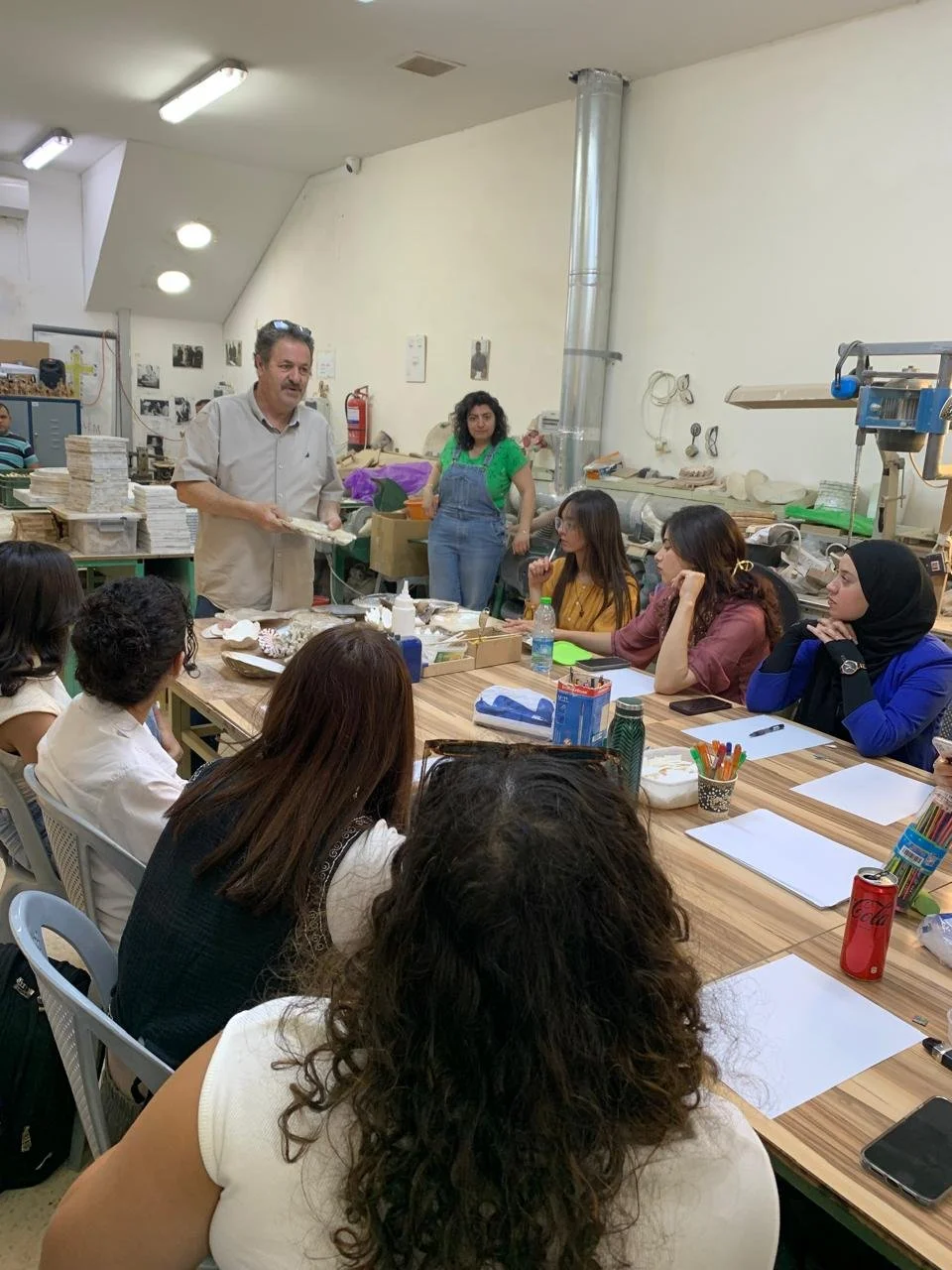
Following the introduction and exploration phase, the Summer Training gave students the opportunity to move from short-term exposure to sustained, hands-on engagement with traditional crafts. Students worked directly with master craftspeople across six traditional Palestinian crafts—olive wood carving, loom weaving, bamboo, pottery, glassblowing, and mother-of-pearl—learning traditional techniques, handling materials and tools, practicing techniques, developing their own ideas, and producing objects through the craft process. Training took place across different workshops and locations, connecting students with craftspeople and craft communities beyond the university and creating opportunities for knowledge traditionally transmitted through family, apprenticeship, and workshop-based learning to reach a new generation of designers. At the same time, students were encouraged to move beyond reproducing traditional objects and explore how existing materials, techniques, and knowledge could be reinterpreted through contemporary design, experimenting with new forms, patterns, colours, and applications and considering how craft could respond to contemporary needs and markets.
-

BAMBOO
Location: Faculty of Art, Music, and Design, Birzeit University
Artisan: Imad Salahat
Participants: 7
Sessions: 10 -
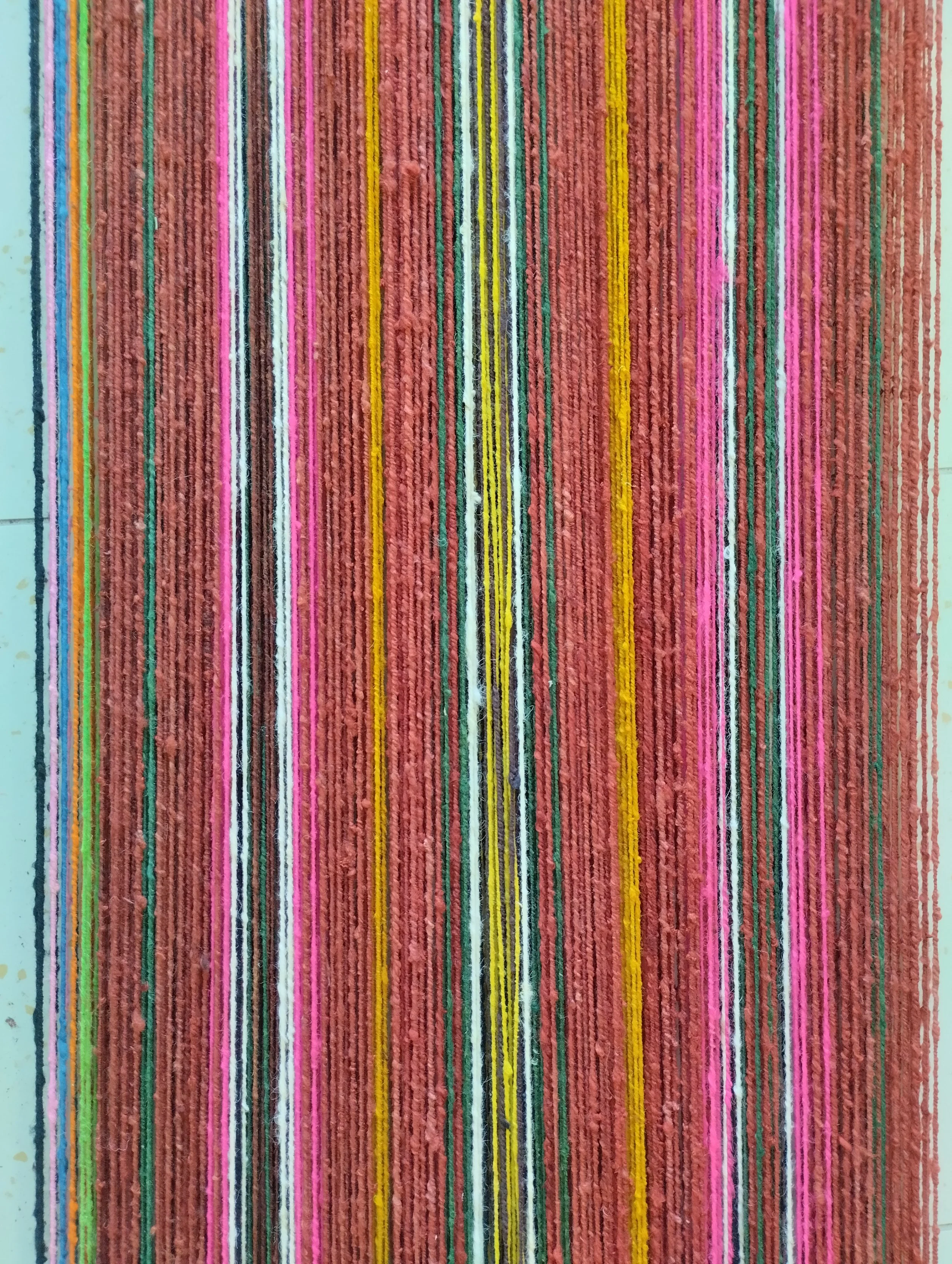
LOOM WEAVING
Location: Faculty of Art, Music, and Design, Birzeit University
Partner: Al-Samou' Charitable Association
Participants: 8
Sessions: 10 -
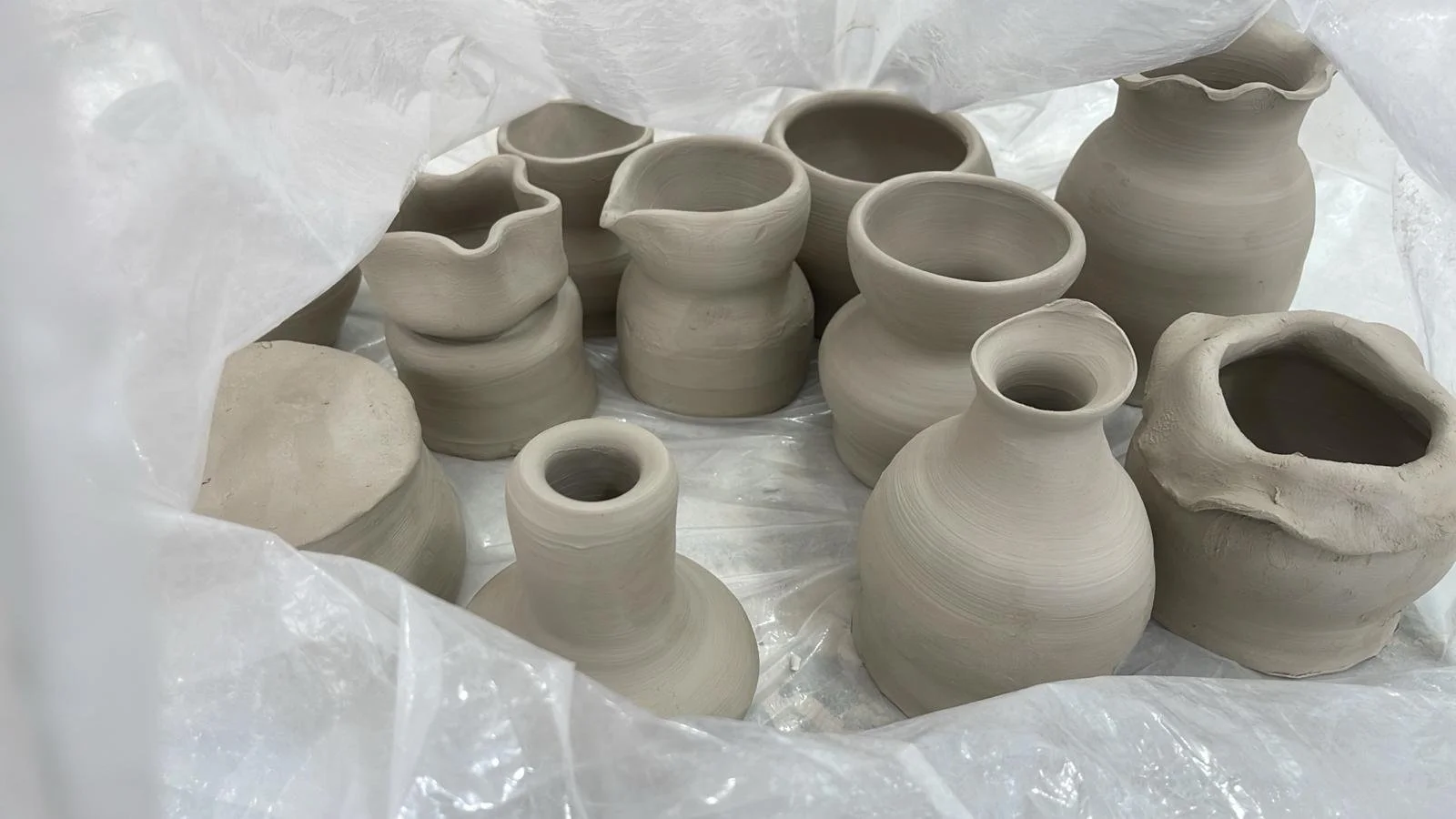
POTTERY
Location: Piccirillo Handicraft Center, Bethlehem
Artisan: Issa Kharoufeh
Participants: 6
Sessions: 10 -
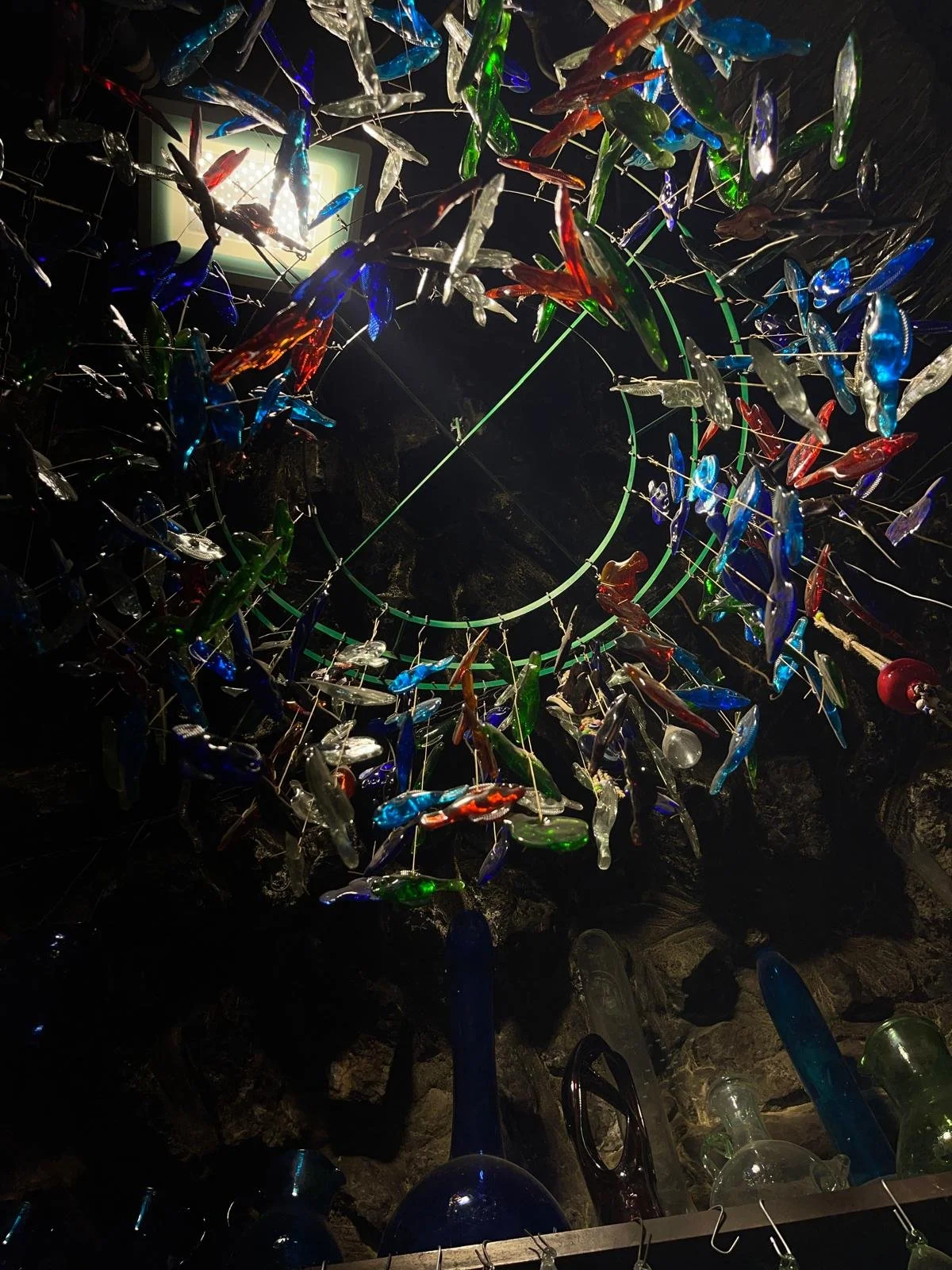
GLASSBLOWING
Location: Ard Kanaan Hand-Blown Glass Workshop, Hebron
Artisan: Abu Wahid
Participants: 5
Training: 15 sessions · 90 hours -

MOTHER-OF-PEARL
Location: Piccirillo Handicraft Center, Bethlehem
Artisan: Issa Kharoufeh
Participants: 8
Training: 15 sessions · 60 hours -
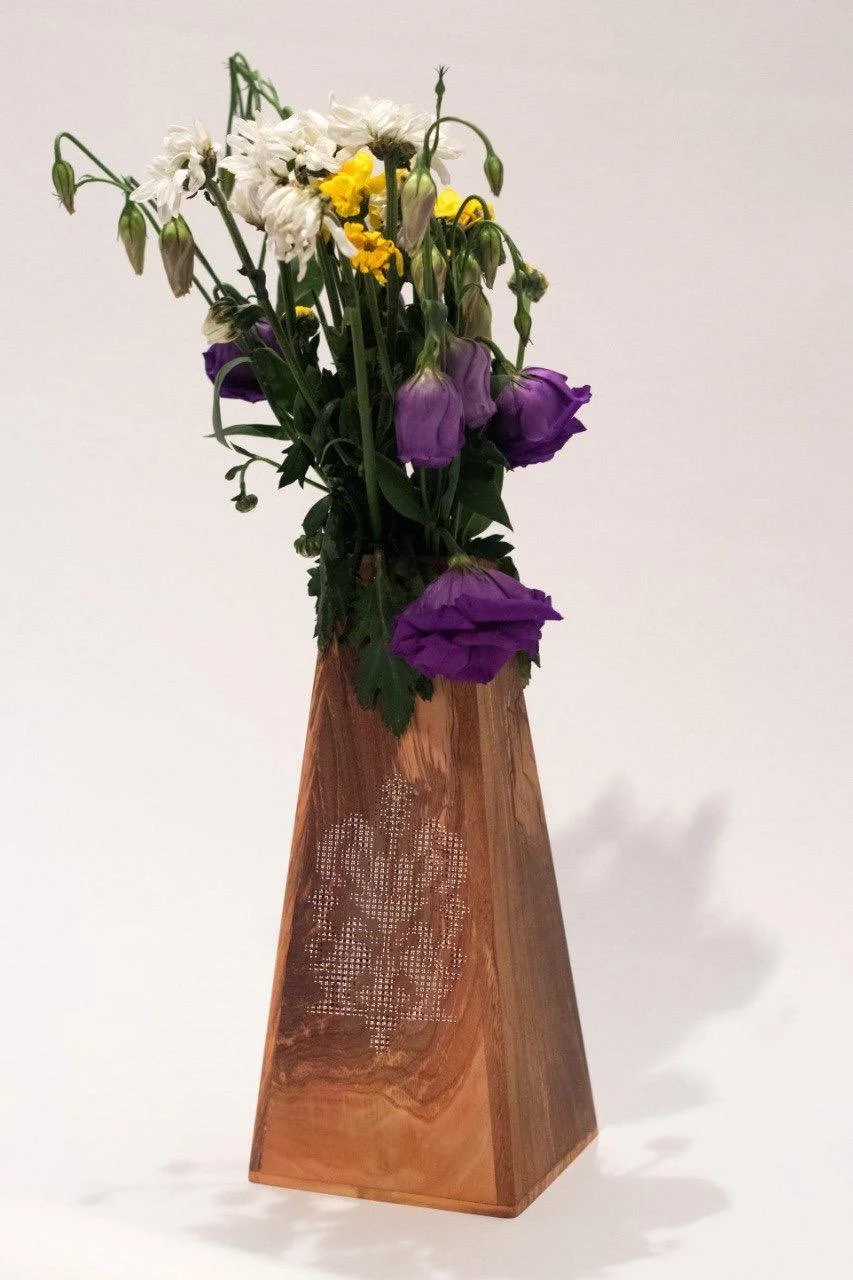
OLIVE WOOD CARVING
Location: Beit Sahour
Partner: Konuz Charitable
Participants: 7
Sessions: 5
REFLECTIONS
Positive Outcomes
Integrating the project into design courses can preserve traditional craft knowledge, pass on know-how to a new generation, and connect students with local craftspeople. It encourages hands-on learning, material exploration, experimentation, and creativity, while strengthening students’ understanding of making and cultural identity. The project also creates opportunities to reinterpret traditional techniques through contemporary design, develop new applications, and promote collaboration, innovation, and practical problem-solving within the design process, in addition, the equipment acquired through the project provides the necessary resources and infrastructure to continue workshops, experimentation, and craft-based activities within the courses, helping ensure the project’s long-term sustainability.
Hands-on Learning and Skill Development
Participants gained practical experience in foundational and advanced craft techniques, with committed participants demonstrating creativity in experimenting with materials, forms, and designs.
Market-Oriented Exposure
Design-to-market activities introduced students to potential commercial applications and encouraged them to consider contemporary uses for traditional crafts.
Knowledge Preservation
Visual documentation, pattern archives, and structured curricula established a foundation for preserving craft knowledge for future learners.
Challenges
Recommendations
-
Limited sharing by some craftspeople and reliance on individual artisans restricted learning opportunities.
-
Interest varied across crafts, with Olive Wood Carving attracting the least participation.
-
Glass Blowing and Pottery presented significant physical and ergonomic challenges.
-
Bamboo and Loom Weaving were sometimes perceived as repetitive due to limited techniques and variations.
-
Mobility restrictions, limited time, and material availability affected participation and production.
-
Some participants had insufficient opportunities to explore contemporary techniques and applications.
-
Continuing summer training with formal recognition of training hours through partner institutions
-
Providing ergonomic equipment and guidance to improve safety and reduce physical strain
-
Introducing sustainable production practices, including locally sourced materials, eco-friendly glazes, upcycling, and improved waste management.
-
Building partnerships with designers, businesses, and social enterprises to develop collaborative collections and expand market access.
-
Documenting craft knowledge through video tutorials, annotated guides, and digital archives.
-
Developing one-to-one apprenticeship models involving students, instructors, and designers to strengthen knowledge transfer and reduce reliance on individual artisans.
-
Introducing design residencies and cross-craft workshops to encourage experimentation and innovation.
-
Providing take-home starter kits to support continued practice beyond the training period.
-
Organizing parallel sessions across institutions and exploring flexible scheduling to improve accessibility for participants affected by mobility restrictions.
OVERALL REFLECTION
The CREATE Summer Training provided a valuable opportunity for students to engage directly with Palestinian craftspeople and traditional knowledge. While the programme achieved meaningful skills transfer and encouraged creative experimentation, it also highlighted the need to strengthen knowledge-sharing mechanisms, diversify teaching resources, expand market opportunities, and improve accessibility and ergonomics. Addressing these areas will help CREATE contribute to the preservation of Palestinian craftsmanship while empowering a new generation of designers and supporting sustainable contemporary craft practices.
PARTNERS
-
Ard Canaan- Yaqub Al-Natsheh (Abu Waheed)
Yaqub Al-Natsheh (Abu Waheed) is a Palestinian master glass artisan with more than 60 years of experience in traditional glassblowing and shaping. Working primarily by hand, his practice draws on generations of craft knowledge to create distinctive glass objects characterized by their forms, colours, and connection to Hebron’s longstanding glassmaking tradition.
Based at the Land of Canaan Glass Factory in Hebron’s Old City, Abu Waheed has dedicated his career to preserving and developing a craft that has declined significantly over recent decades. Through his continued practice, experimentation, and transmission of knowledge, he contributes to keeping Palestinian glassmaking alive while demonstrating its potential to evolve through contemporary applications and collaborations.
-
Piccirillo Handicraft Center- Issa Kharoufeh
A master artisan and the director of the Piccirillo Handicraft Center in Bethlehem, a community-based workshop established by the John Paul II Foundation and the Franciscan Custody of the Holy Land. Under his leadership, the center trains youth, women, and people with disabilities in traditional Palestinian crafts including mother of pearl, olive wood carving, and ceramics. Issa’s work emphasizes community empowerment through cultural production, and his commitment to sustaining and evolving the mother of pearl tradition has made him a key figure in Palestinian artisanal heritage.
-
Al-Samou' Charitable Association
Al-Samou’ Charitable Association, founded in 1975 in the Hebron district, supports women’s economic empowerment through the revival and preservation of traditional carpet weaving practices unique to southern Palestine. The association provides training and home-based employment for local women, enabling them to generate income while sustaining intergenerational craft knowledge. It also markets handmade carpets and accessories through its gift shop, serving as an important community hub that connects economic opportunity, cultural heritage, and craft preservation.

-
Konuz Charitable
Kunoz is a newly established Palestinian association based in Beit Sahour dedicated to supporting local artisans, preserving traditional crafts, and strengthening the handicraft sector. Its work focuses on connecting artisans with international institutions and markets, participating in exhibitions, developing training programmes in contemporary product design and marketing, and creating digital platforms to promote and eventually sell handmade products. Through these efforts, Kunoz seeks to empower artisans, encourage innovation, expand the visibility of Palestinian crafts, and create new opportunities for the sustainable development of the sector.